

In the Transition Agenda for Plastics, we have jointly set ourselves the goal that by 2050 the extraction of new raw materials will take place in a completely sustainable manner. The use of secondary raw materials (read: no natural sources) and the use of biomass will be commonplace at that time. The products are designed for optimum utility value and reuse, without loss of value or harmful emissions. In short, in the coming decades we will work together towards a circular economy.
Plastics are an indispensable part of our society. The use of plastics has grown exponentially over the past fifty years. Partly due to its versatile properties, its worldwide application has increased twentyfold. Plastics are strong, rigid, flexible, dimensionally stable or, on the contrary, form-free and thus contribute to comfort, safety, durability, hygiene, and energy efficiency. Plastic applications also contribute to reducing CO2 emissions compared to the use of other materials. Alongside the ample advantages, the large-scale use of plastic also entails disadvantages. The use of (usually) fossil raw materials and energy puts pressure on the environment. The spread of plastic litter and microplastics on land (especially packaging) and in the sea results in more pollution of ecosystems. So despite all the advantages of plastic, there are some important challenges that we have to take into account.
The goal is that all plastic products will be circular in 30 years’ time. They will have a low footprint and will be made from recycled or renewable plastics of guaranteed quality. With the circular plastics economy, the sector contributes to the energy and climate objectives, as well as to the food agenda. By closing the plastics chain, producers, retailers, and consumers ensure that macro and microplastics no longer leak into the environment.
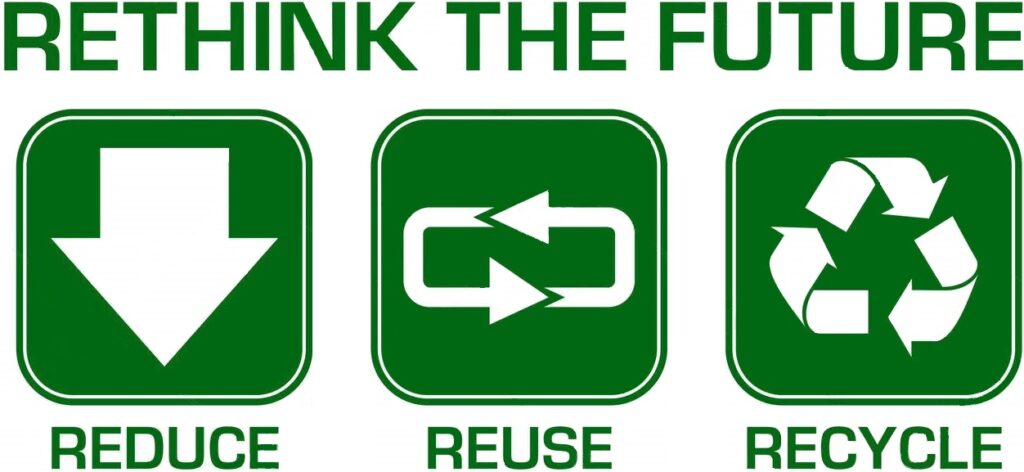
What does this mean?
Together, we must make a large-scale change in the coming years. It requires simultaneous change at many levels, within numerous market segments, and in a variety of applications. The task is complex due to the multitude of products and sub-markets, each with its own characteristics. In order to realize this transition, four main points are important to get the circular economy in motion:
1. Prevention. Preventing unnecessary use of plastics in combination with working towards the highest possible use value and quality of plastics. In other words, “more with less” and “Prevention is better than the cure”.
2. More supply and demand for renewable plastics. Focusing on the shift from the use of fossil raw materials to the application of recycled and renewable plastics. To do this, both the production capacity and the demand for these recycled and renewable plastics must increase sharply and become balanced in order to achieve the goal of 100% circularity by 2050.
4. Strategic (chain) cooperation. Chain management and a joint strategy of stakeholders from business, science, NGOs, and governments is crucial for success. There is interdependence of companies in product chains of countries, due to the interdependence of the (global) economy, which means that each individual can only exercise limited influence. Together we are strong!
Significant investments in more mechanical and chemical recycling and investments in the production of biobased plastics are reducing the production and marketing of new (virgin) fossil plastics.